
Damp Patches on Walls: Condensation, Rising or Penetrating Damp, and How to Fix Each
Three completely different problems produce similar-looking damp walls, and the wrong diagnosis means paying for a fix that does nothing. Here's how to tell them apart, and how to treat each one properly.
Affiliate disclosure: Some links on this page may be affiliate links. If you buy through them we earn a small commission at no extra cost to you. This doesn't affect our recommendations.
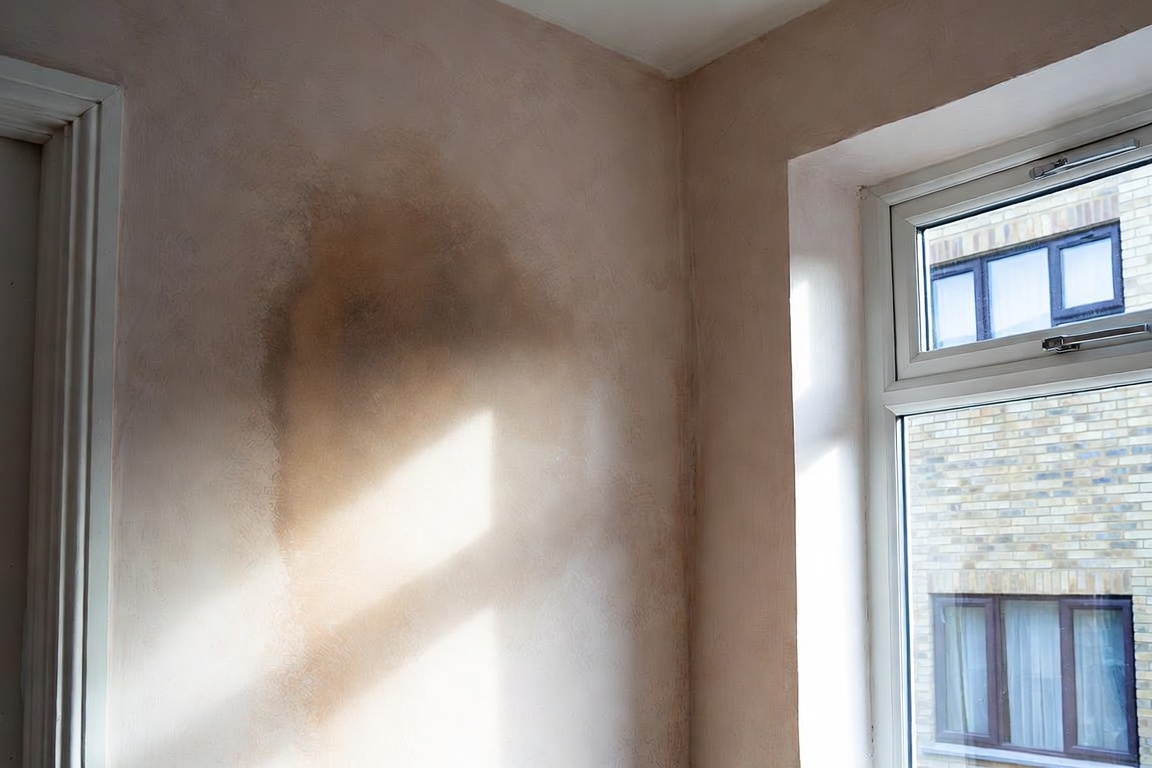
A damp patch on a wall can mean three different things, each with a completely different fix, and getting the diagnosis wrong is one of the most expensive mistakes a homeowner can make. A chemical damp-proof course injected into a wall that only has condensation does nothing except cost several hundred pounds. A ventilation fix applied to a leaking gutter leaves the wall wet regardless. Before spending money on any treatment, it's worth working through the real diagnostic signs yourself.
Quick answer: Height and timing are the two biggest clues. Condensation appears on cold surfaces (windows, corners, external walls), worsens in winter, and comes with black mould. Rising damp stays within about a metre of the floor, is present year-round regardless of weather, and shows white salty deposits rather than black mould. Penetrating damp can appear at any height, worsens noticeably after rain, and usually traces back to a specific external defect like a leaking gutter or cracked render. If the patch is on a ceiling, it is never rising damp. That always points to a roof, plumbing, or condensation issue instead. On a top-floor ceiling, our guide to condensation in the loft helps you tell a roof leak from condensation.
Quick Comparison
| Condensation | Rising damp | Penetrating damp | |
|---|---|---|---|
| Height on wall | Anywhere, often corners | Up to ~1m from floor | Any height |
| Timing | Worse in winter | Present year-round | Worsens after rain |
| Appearance | Black mould | White salt deposits, tide mark | Localised wet patch, can also mould |
| Ceiling possible? | Yes | Never | Yes |
| Main fix | Less moisture, ventilation, dehumidifier, insulation | Clear bridged DPC, or repair/replace it | Repair the outside defect |
Is It Condensation?
This is the most common cause of damp walls in UK homes, and it's worth ruling in or out first. Condensation forms when warm, moisture-laden indoor air meets a cold surface (a window, a corner, an uninsulated external wall) and turns to liquid. It shows up specifically in places where air doesn't circulate well: behind furniture, in corners, on cold external walls, and is noticeably worse in winter. The telltale signs are black mould and small dark condensation spots, not white staining, and the patch often disappears in dry, mild weather. Drying washing indoors is one of the biggest everyday causes. See our condensation guide for the causes and the fixes that work, on windows and walls.
Is It Rising Damp? What It Looks Like
Rising damp is caused by moisture travelling upward through brickwork via capillary action, usually because a damp-proof course (DPC) is damaged, absent, or has been bridged by something outside: a raised flower bed, decking, or render built up against the wall above the DPC line. Damp-proof courses only became mandatory in UK construction in 1875, so older properties are more at risk.
Real signs of rising damp
- Stays low on the wall, usually within about a metre of the floor and rarely above 1.5m, and never on a ceiling
- White, powdery salt deposits (efflorescence) rather than black mould
- A visible horizontal "tide mark," often yellow or brown
- Present consistently regardless of weather. It doesn't worsen after rain the way penetrating damp does
Worth checking outside the affected wall first: anything bridging the DPC line (soil, paving, render built up too high) is often the whole answer, and considerably cheaper to fix than a full chemical damp-proofing treatment. A proper diagnosis rests on proper moisture meter readings and salt analysis, not a quick surface check. Rising damp can also show on internal walls on the ground floor, since many older internal walls sit on the same footings as the external ones; the same low tide mark and salts are the giveaway.
Is It Penetrating Damp?
Penetrating damp means water getting through the building's external fabric: blocked or leaking gutters and downpipes, failed pointing or render, roof and chimney defects, or (relevant given our cavity wall insulation piece) failed or saturated cavity insulation bridging the gap.
Real signs of penetrating damp
- Patches worsen noticeably during or after wet weather, the strongest single clue
- Can appear at any height, including ceilings, unlike rising damp
- A visible external defect on the matching outside wall: cracked render, blown pointing, moss or algae growth, overflowing gutter
- A musty, earthy smell, often localised to one specific room or wall
Walking around the outside of the affected wall is one of the most useful things you can do yourself: the cause is very often visible from outside, even if the damp only shows up inside. Wet patches on the outside of a wall that stay dark long after rain point the same way: the brickwork is soaking up water that's reaching the inside.
Damp Patch on the Wall but No Leak?
This is one of the most common questions we see, and the answer is usually reassuring: most damp patches with no obvious leak aren't a leak at all. Work through these in order:
- Condensation on a cold spot: by far the most likely. Look for patches in corners, behind wardrobes, around window reveals and above lintels, where the wall is coldest. Often worse in the morning and in winter.
- Cold bridging: a concrete lintel, uninsulated section or steel beam that's colder than the wall around it. The damp follows the shape of the cold part, often a neat line or rectangle.
- Salts left by old damp: plaster that was once wet can hold salts that draw moisture from the air, so the patch comes back in humid weather even after the original cause is fixed.
- Rain getting in somewhere you can't see: failed pointing, a blocked gutter, a cracked sill or failed cavity wall insulation. Check whether it gets worse after rain.
- A hidden pipe after all: heating or water pipes buried in the wall or floor. A patch that stays wet in dry weather and grows steadily is worth a plumber's check; a jump in your water meter reading with all taps off is a strong clue.
How to Treat Damp Walls Internally
The real answer to "how do I fix damp walls permanently?" is that you fix the cause first. No paint, sealer or treatment on the inside of a wall will hold if water is still getting in. Once the cause is dealt with, the inside can be dried out and made good:
If it's condensation
Clean off any mould (see our black mould guide), then cut the moisture: ventilate, keep rooms steadily warm and get humidity below 60%. A dehumidifier for damp walls is the quickest way to dry the room and the wall, from about 4p an hour. See what a dehumidifier does, and what it won't fix. Longer term, insulation warms the wall so moisture stops settling on it. Anti-mould paint can help as a finish once the wall is dry, but it won't stop condensation on its own.
If it's rising damp
First remove anything bridging the damp-proof course outside, such as soil, paving or render. If the DPC itself has failed, a specialist can inject a new chemical DPC. Plaster damaged by rising damp is usually full of salts, so it's typically stripped to about a metre and replaced with a salt-resistant render or plaster once the wall has dried. Skip that step and the patch tends to come back.
If it's penetrating damp
Repair the outside first: clear or fix gutters and downpipes, repoint failed mortar, patch cracked render or fix the roof or chimney. Then let the wall dry out fully, which can take weeks or months in a thick wall; a dehumidifier speeds this up. Only redecorate once it's properly dry, otherwise new plaster and paint will blister.
Avoid the quick cover-up. Damp-seal paints, foil backing and tanking slurries applied inside can hide a damp patch for a while, but they trap moisture in the wall and often push the problem somewhere else. Use them only once the cause has been fixed, and never as a substitute for fixing it.
When to Call a Professional
If the signs point to rising or penetrating damp, not just condensation, a proper survey is worth the cost before paying for any treatment. A qualified surveyor uses a calibrated moisture meter, salt analysis, and sometimes thermal imaging to confirm the diagnosis. The Property Care Association maintains a register of accredited damp specialists, worth checking before booking anyone. Be wary of anyone who diagnoses rising damp from a thirty-second wave of a moisture meter without checking the salt content: one of the most commonly cited causes of unnecessary, expensive treatment.
Ruled out condensation and structural damp?
If cold walls are part of the problem, proper insulation helps. Check current grants and get matched with qualified installers.
Get Free Insulation Quotes →Damp Walls: Frequently Asked Questions
Related Guides
- → Condensation on Windows and Walls: the full guide
- → Best Dehumidifiers UK: dry out damp walls from 4p an hour
- → Cavity Wall Insulation Problems
- → Black Mould: is it actually dangerous?
- → Condensation in the Loft: roof leak or condensation?
- → How to Dry Clothes Indoors Without Damp
- → What Does a Dehumidifier Do? How they work and how to use one
- → Home Insulation UK: costs and current grants
Published September 2026, updated 29 September 2026. General guidance based on independent damp specialist sources across the UK. Individual cases vary. A professional damp survey with moisture meter and salt analysis is the only reliable way to confirm a diagnosis. Cool Power Co is an independent site and is not affiliated with any damp treatment company.
Struggling With Damp?
Compare dehumidifiers for condensation, or check insulation grants if cold walls are the real cause.
More on this topic: Condensation on Windows and Walls · Cavity Wall Insulation Problems · Black Mould in Bedroom