
EV Chargers · No Driveway
Cross-Pavement EV Charging UK: The New Rules, in Force Since 21 October 2026
Since 21 October 2026, a home in England without a driveway can have an EV charger fitted without planning permission, as long as the cable crosses the pavement in a channel the council has approved. Here is what changed, what still needs permission, and the order to do things in.
Last updated: 21 October 2026, the day the rules came into force
Affiliate disclosure: some links on this page are affiliate links. If you buy through them we earn a small commission at no extra cost to you. It doesn't affect what we recommend.
If you park on the street, the cheapest way to run an electric car has been out of reach: charging at home on an overnight tariff. The law that made it awkward changed on 21 October 2026, and the new rules are now in force. This guide reflects the final legislation, with details confirmed by Kerbo Charge, which supplies pavement channels to councils.
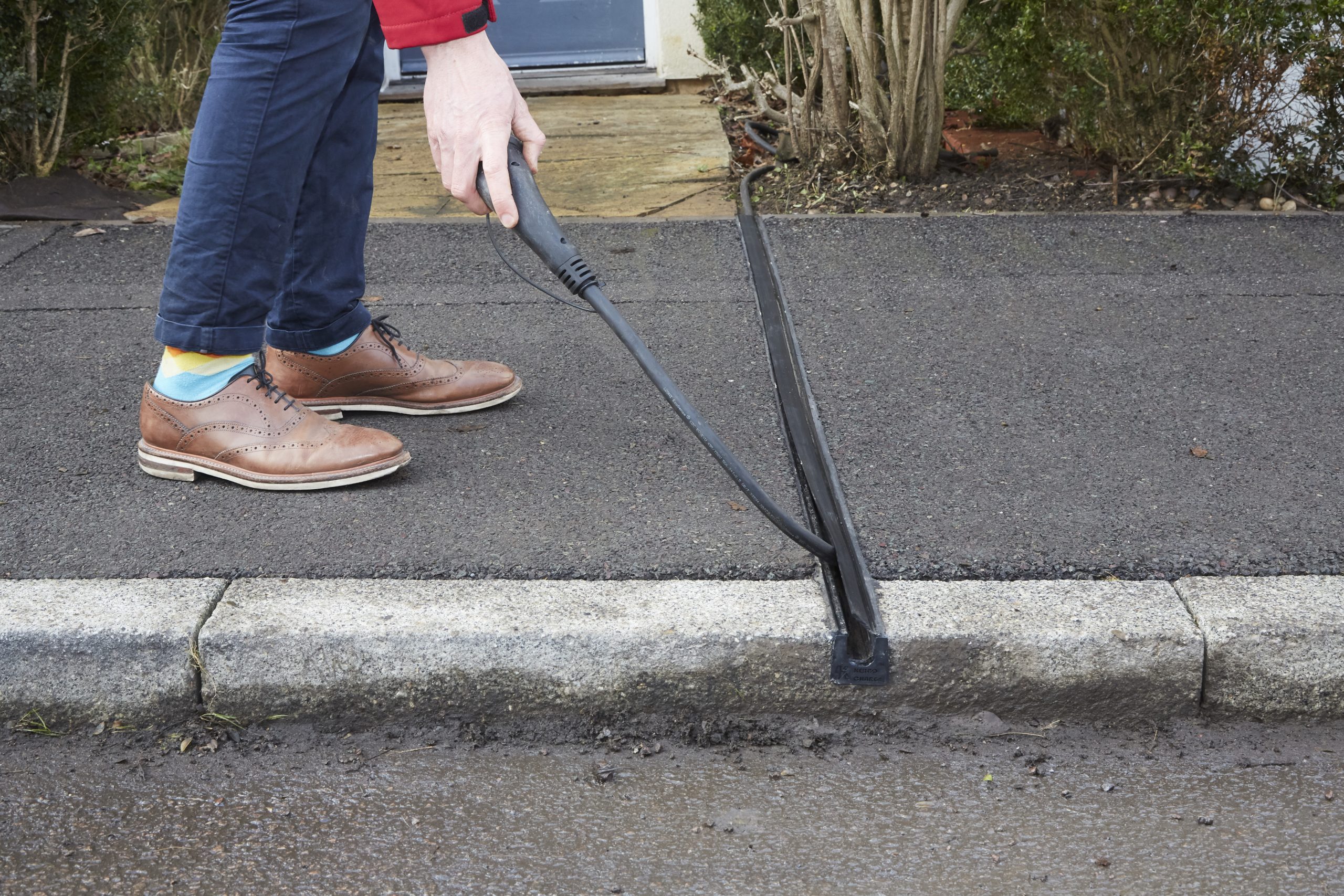
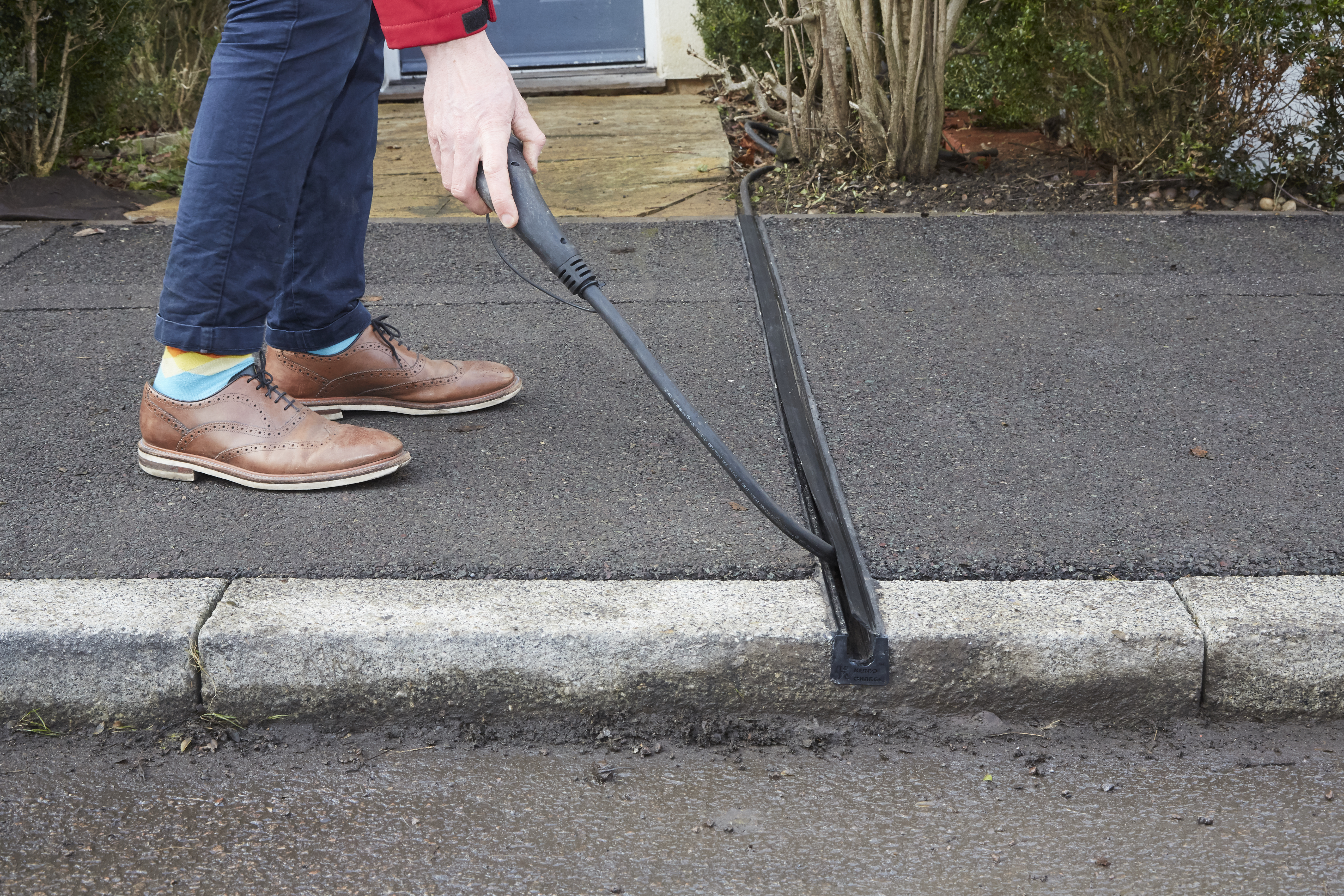
Quick answer: since 21 October 2026, most homes in England without off-street parking no longer need planning permission for a home EV charger, provided the cable crosses the pavement through an authorised channel set into the pavement. The channel itself also needs no planning application, but only when the council installs it or authorises it. You cannot fit one on your own initiative. Cable covers, mats and overhead arms do not count. A grant of up to £500 towards the charger is available, and you must have the council's approval for the channel before the charger goes in.
Channel and charger in one go
Pod and Kerbo Charge have a joint offer: Kerbo Charge handles the pavement channel and the council approval, then Pod fits its Solo 3S charger and claims the £500 grant for you. Pod says channel installations start from £399.
On this page:
What changed on 21 October 2026
The change comes from the Town and Country Planning (General Permitted Development) (England) (Amendment) (No. 2) Order 2026, made on 25 September and in force since 21 October. It does two things for households that park on the street.
The charger no longer needs planning permission
Until now, the right to fit a charger without a planning application only covered homes with off-street parking. It now extends to anywhere within the boundary of a house or block of flats, within the limits below.
The pavement channel no longer needs a planning application
A new right covers a cable channel set into the pavement when it is installed by the highway authority, on its behalf, or with its authorisation. In practice that means your council has to approve it.
The two are tied together. The charger only counts as permitted if, whenever it is in use and there is a footway between it and the car, the cable crosses in an authorised pavement channel. No approved channel means the old rule applies and the charger needs planning permission.
The Order applies to England. Scotland, Wales and Northern Ireland have their own planning rules.
The limits on the charger
For a home without off-street parking, the charger is permitted without a planning application only if it stays within these limits.
| Rule | Limit |
|---|---|
| Where it goes | On a wall or a freestanding post within the boundary of the house or block of flats |
| Height | No more than 1.6 metres above the ground |
| How many | One wall-mounted charger per property |
| On a wall next to the pavement | It must not stick out more than 20cm, and at least 1.5 metres of footway must stay clear between it and the kerb |
| Conservation areas | Not covered. Planning permission is still needed |
| Listed buildings | Not covered within the grounds of a listed building |
| The cable | Must cross the footway in an authorised pavement channel whenever the charger is in use |
Kerbo Charge adds that an ordinary outdoor plug socket does not count. You need a dedicated EV charger.
What still needs permission
Kerbo Charge says the resident does not fill in the streetworks permit for the installation. Some councils do ask the resident to pay for a licence of their own, and that varies from council to council.
The right order, so you keep the grant
Do not fit the charger first. The chargepoint grant does not cover a charger that is already installed, and Kerbo Charge says having one fitted before the channel is approved disqualifies you. Get the channel approved, then apply for the grant, then install.
What a pavement channel costs
There is no national price. Each council sets what residents pay, and the gap is wide. Kerbo Charge gave us these examples in October 2026.
| Council | What a resident pays | Notes |
|---|---|---|
| South Gloucestershire | £250 | |
| Surrey | £499 | A 58% discount on a headline price of £1,198 |
| Leeds | £1,398 |
The low prices are subsidised. Kerbo Charge says the government's £25 million cross-pavement fund was paid to local authorities, which pass it on as a lower channel price instead of a payment to the resident. Surrey, for example, received more than £250,000 from the Department for Transport's pavement channel grant when it launched its scheme in June 2026. Whether your council has funding left is the first thing to check.
Pod, which sells its charger alongside Kerbo Charge channels, says a channel installation typically starts from £399 including VAT. It says the price covers a survey of your home and the footpath, the local authority permissions, a UKCA-certified channel and duct, and a 10-year warranty.
The charger is a separate cost on top, less the chargepoint grant.
The £500 chargepoint grant
The Electric Vehicle Chargepoint Grant for Households with On-Street Parking pays 75% of the cost of buying and installing a charger, up to £500. It covers England, Scotland, Wales and Northern Ireland, and is open until 31 March 2027.
If your council is not taking part yet
Kerbo Charge says its channels are live or on trial with 57 councils as of early October 2026. If yours is not one of them, the company sends residents a template email to forward to their council asking it to start a scheme. It costs nothing to send.
In the meantime, public charging is the fallback. Our EV charging cost calculator shows what that costs against charging at home.
Kerbo Charge on the rule change: "We are delighted that from 21 October 2026 households without driveways will no longer need planning permission to install a home EV charger. This long awaited change closes the disparity between those with and without a driveway and is a step towards levelling the playing field regarding who benefits from cheap home charging."
Choosing a charger
Any dedicated charger from a grant-approved installer can be used with a pavement channel. Pod, formerly Pod Point, has a joint offer with Kerbo Charge that pairs its Solo 3S charger with a channel. You apply for the channel through Kerbo Charge first, and order the charger once the channel is in. Pod claims the chargepoint grant on your behalf, so the saving comes off your bill.
If your channel is already approved, you can order the Solo 3S directly.
To compare it with the alternatives, see our best EV chargers guide. Once you can charge at home, the tariff matters as much as the charger: our EV tariff comparison covers every supplier.
Frequently asked questions
Work out what home charging would save you
Compare home charging on an EV tariff with public rapid charging, on your own mileage.
Open the EV Charging Calculator →Related Guides
First published September 2026, rewritten on 7 October 2026 after the legislation was made, and updated on 21 October 2026 when the rules came into force. The planning rules are from SI 2026/1056, the Town and Country Planning (General Permitted Development) (England) (Amendment) (No. 2) Order 2026. Grant details are from the government's grant listing. Council prices, the number of councils, the permit process and the quote were supplied by Kerbo Charge in October 2026. Surrey's funding figure is from GreenFleet's report of 19 June 2026. Always confirm the current rules and price with your own council before you commit.