
Cavity Wall Insulation Problems: What Actually Goes Wrong
Most installations are genuinely fine. But when it goes wrong, it's usually one of a few things — and there's a real, if imperfect, guarantee behind it.
Affiliate disclosure: Some links on this page may be affiliate links — if you buy through them we earn a small commission at no extra cost to you. This doesn't affect our recommendations.
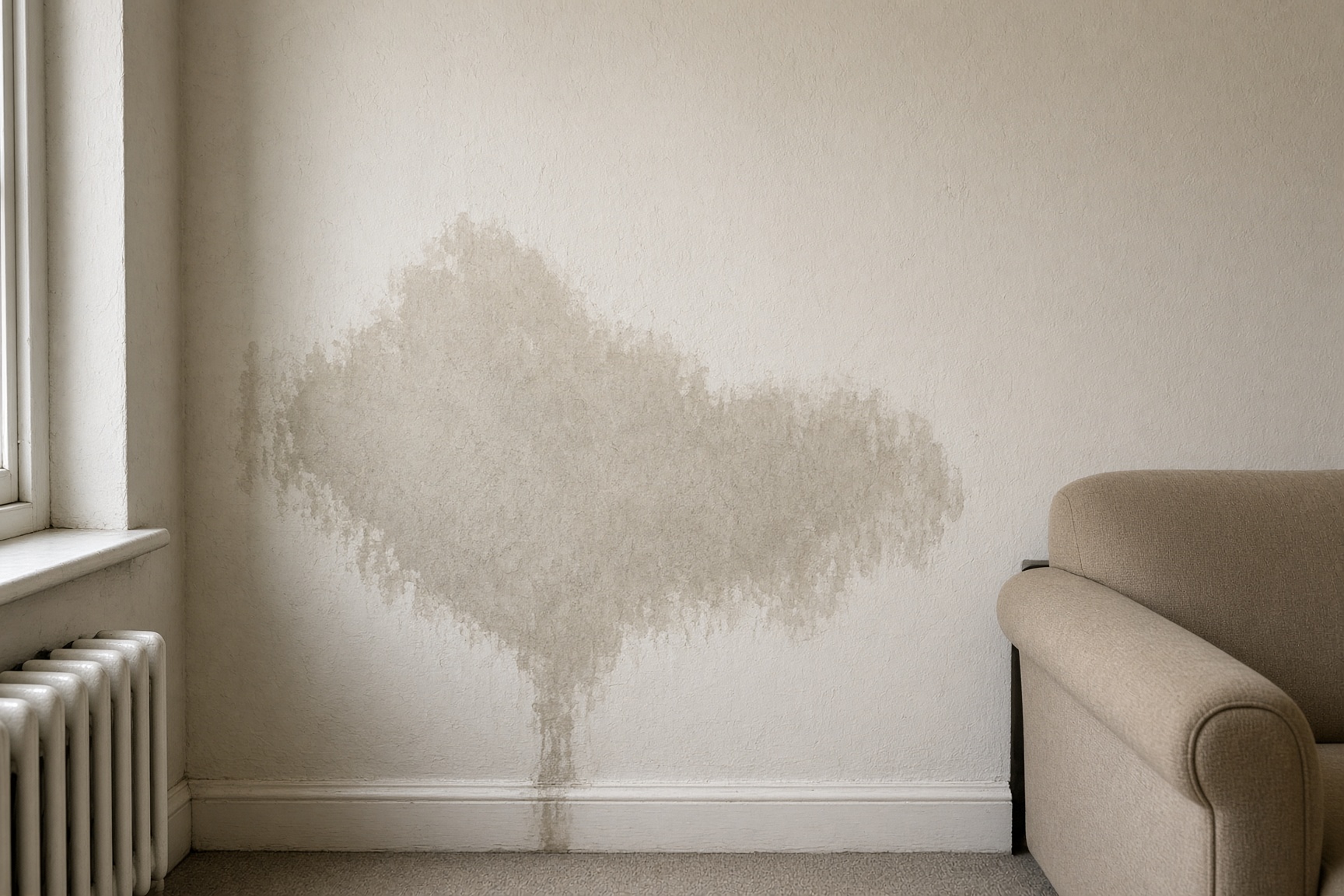
Cavity wall insulation is one of the most common home energy upgrades in the UK — an estimated 16 million properties have cavity walls, and millions have been insulated over the past few decades, many through government-backed schemes. The genuine majority of these installations work exactly as intended: lower heat loss, warmer home, lower bills. But it's also genuinely true that a real, documented minority of installations go wrong, and it's worth understanding why before you commit — or if you're already dealing with a problem. For costs, savings and grants, see the cavity wall section of our home insulation guide.
Quick answer: Cavity wall insulation doesn't cause damp on its own. Problems happen when it's installed incorrectly, uses the wrong material, or goes into a property that was unsuitable in the first place — most commonly homes exposed to heavy wind-driven rain. When this happens, the insulation can act as a bridge, letting moisture travel from the outer wall through to the inside. If it's genuinely causing an issue, a 25-year CIGA guarantee should cover the fix — though a meaningful proportion of claims are rejected — and removal typically costs around £1,700–£2,500 for a whole house.
How It Actually Happens
A cavity wall has two layers of brick or block with a genuine gap between them — that empty gap is what traditionally kept the inner wall dry, since any rain that got past the outer brick would simply run down the empty cavity and drain away at the base, never touching the inner leaf. Filling that gap with insulation removes the empty space, and if the material or the installation isn't right for the property, it can create a path for that moisture to actually reach the inner wall instead of draining harmlessly away.
The House of Commons Library's own briefing on cavity wall insulation puts it plainly: the majority of installations are successful, but where CWI is installed incorrectly, or in a property that wasn't suitable to begin with, it can genuinely lead to damp.
The three real causes, according to industry sources
- 🏚️ Pre-existing structural issues — cracked render, damaged brickwork, or failed pointing that let water into the cavity, which the insulation then bridges to the inside
- ☔ A property genuinely unsuitable for CWI — most commonly, exposure to heavy wind-driven rain that the property's specific location and orientation simply weren't built to withstand once the cavity is filled
- 🧱 Poor installation quality — gaps or voids left in the fill, or the wrong material used for a damp-prone location, rather than the concept of cavity wall insulation itself being flawed
Types of Cavity Wall Insulation — and Their Damp Risk
Existing homes are insulated by drilling small holes in the mortar and blowing or injecting material into the cavity until it's completely filled (a "full fill"). Which material is used matters, because they handle water very differently:
| Material | How it's installed | Damp risk |
|---|---|---|
| Blown mineral wool (fibre) | Loose fibres blown in; the most common type in older installations | Higher: can soak up and hold water if the cavity gets wet |
| Polystyrene (EPS) beads | Beads blown in, often with a bonding agent so they don't spill out | Lower: water-resistant and lets water drain between beads |
| Injected foam (polyurethane) | Liquid foam that expands and sets; sometimes used to stabilise walls | Lower for water, but very hard to remove if something goes wrong |
| Urea formaldehyde (UF) foam | Older foam found in some pre-1990s installs; rarely used today | Can break down over time; costs more to remove |
New-build homes usually use a different approach, with rigid boards built into the cavity as the walls go up, often leaving a small clear gap. If your installer is proposing mineral wool for a house in an exposed, rainy spot, ask why beads or another water-resistant option wouldn't be safer.
Which Properties Are Genuinely Unsuitable?
A proper installer should assess this before quoting, but it's worth knowing the genuine risk factors yourself, since a rushed or poor-quality survey is part of how problems happen in the first place:
- 🌧️ Properties in exposed, unsheltered positions with high levels of wind-driven rain
- 📏 Cavities narrower than 50mm — genuinely too tight for safe, effective filling, though most modern UK homes have wider cavities than this
- 🧱 Homes with existing damaged brickwork, uncapped cavities, or failed pointing that hasn't been fixed first
- 🪨 The wrong material for the location — mineral wool can absorb and retain moisture, making it a poorer choice than water-resistant beads or foam for a damp-prone site
Cavity Wall Insulation Pros and Cons
✅ Pros
- Cuts heat loss through walls by up to a third
- Saves around £230–£505 a year on bills
- Pays back in 3–5 years, or free under ECO4 if you qualify
- Done in a day with no mess inside the house
- Warmer walls mean less condensation and mould
⚠️ Cons
- Can cause damp in exposed or poorly maintained homes
- Only as good as the survey and installer
- Hard to check the fill quality once it's done
- Removal is disruptive and costs around £1,700–£2,500
- Guarantee claims can be difficult
For most sheltered, well-maintained homes built after the 1920s, the pros clearly win — it's one of the best-value upgrades available. The risk is concentrated in exposed properties and poor installations, which is why the survey matters more than anything else.
The CIGA Guarantee — What It Actually Covers
Cavity wall insulation fitted by a registered installer should come with a 25-year guarantee from the Cavity Insulation Guarantee Agency (CIGA), which was set up in 1995. Because the guarantee is issued by CIGA rather than the installer, it doesn't simply become worthless if your original installer has since gone out of business. It covers the insulation material failing or settling, and genuine defects in how it was installed. Homes insulated before CIGA existed, or by an installer who wasn't registered, may not have one.
⚠️ Worth knowing honestly: this has been a genuinely contested area. One widely-reported figure suggests CIGA rejects a significant proportion of claims — and a campaign group, Cavity Insulation Victims' Alliance (Civalli), has publicly disputed how claims are assessed. The guarantee specifically excludes damp from other causes (rising damp, roof leaks, plumbing) and pre-existing structural defects that existed before installation — which is a genuine, reasonable exclusion in principle, but has also been a source of real dispute in practice over what counts as "pre-existing."
You can check whether your property has a registered CIGA guarantee directly on the CIGA website using your postcode. Worth doing this even if you're not currently having problems — it's exactly the kind of document a buyer's solicitor will ask about if you ever sell.
What to Do If You Think This Is Happening to You
-
1
Rule out other causes of damp first
Condensation, rising damp and penetrating damp from leaks or gutters are all genuinely common and won't be covered by a CWI guarantee. Damp from failed cavity insulation usually shows as patches on the inside of external walls, often after heavy rain and often on the most exposed side of the house. Our guide to damp patches on walls helps you tell the types apart. -
2
Contact the original installer
Per Energy Saving Trust guidance, this is the correct first step for a suspected insulation problem — they should assess whether the survey or installation was part of it. -
3
Check for a CIGA guarantee
If the installer is unresponsive or no longer trading, check your paperwork or the CIGA website directly — this is genuinely your fallback protection. -
4
Keep the room dry while it's sorted
Claims and repairs can take months. A dehumidifier with continuous drainage won't fix the cause, but it stops mould spreading and protects decor in the meantime. Take dated photos of the damp for your claim. -
5
If a claim is rejected, you may have further options
Ask for CIGA's reasons in writing and use its complaints process. In some cases a claim for misrepresentation or under consumer protection law may be possible — worth genuinely independent advice, for example from Citizens Advice, at this stage rather than giving up.
Cavity Wall Insulation Removal: Cost and What's Involved
If the insulation itself is the problem, it can be extracted. Specialists drill holes in the mortar joints and use industrial vacuums to pull the material out, then fill and repoint the holes to match.
| Removal | Typical cost / time |
|---|---|
| Per square metre of wall | Around £21.50 |
| Whole house | £1,680–£2,520 (around £2,100 on average) |
| Old UF foam | Add around £500–£1,000 for specialist disposal |
| How long it takes | 1–3 days for a typical house |
Cost figures: Checkatrade 2026 removal cost guide. Prices vary with house size, access and material.
If the problem is covered by a valid CIGA guarantee, removal and making good should be part of the remedy, so check that before paying. Once the cavity is clear and any brickwork or pointing is repaired, it can usually be re-insulated with a more suitable material, so you don't have to give up the energy savings for good.
Considering cavity wall insulation for the first time?
A proper survey by a qualified, CIGA-registered installer is the single biggest factor in avoiding these problems. Compare quotes, and check whether ECO4 could make it free before it closes in December.
Cavity Wall Insulation Problems — FAQ
Related Guides
- → Home Insulation UK — costs and current grants
- → Damp Patches on Walls — condensation, rising or penetrating?
- → Condensation on Windows and Walls: the full guide
- → Condensation in the Loft: roof leak or condensation?
- → Black Mould — is it actually dangerous?
- → Best Dehumidifiers UK — for damp while you fix the cause
- → Insulation Savings Calculator
- → ECO4 Eligibility Checker — could insulation be free?
Published September 2026, updated 29 September 2026. General guidance based on House of Commons Library research briefings, Energy Saving Trust advice, CIGA and published industry sources, including Checkatrade removal cost data. Individual circumstances vary — if you suspect a genuine cavity wall insulation problem, contact your original installer and check your guarantee status directly with CIGA.
Considering Insulation?
Get matched with qualified, registered installers who carry out a proper survey first — and check if ECO4 could cover the cost.
Get Free Quotes →