
Ground Source Heat Pump UK: Cost, How It Works & Is It Worth It
More efficient than air source, but the ground works change the whole cost picture. Boreholes vs trenches, real UK prices, and who this actually suits.
Affiliate disclosure: Some links on this page may be affiliate links, if you buy through them we earn a small commission at no extra cost to you. This doesn't affect our recommendations.
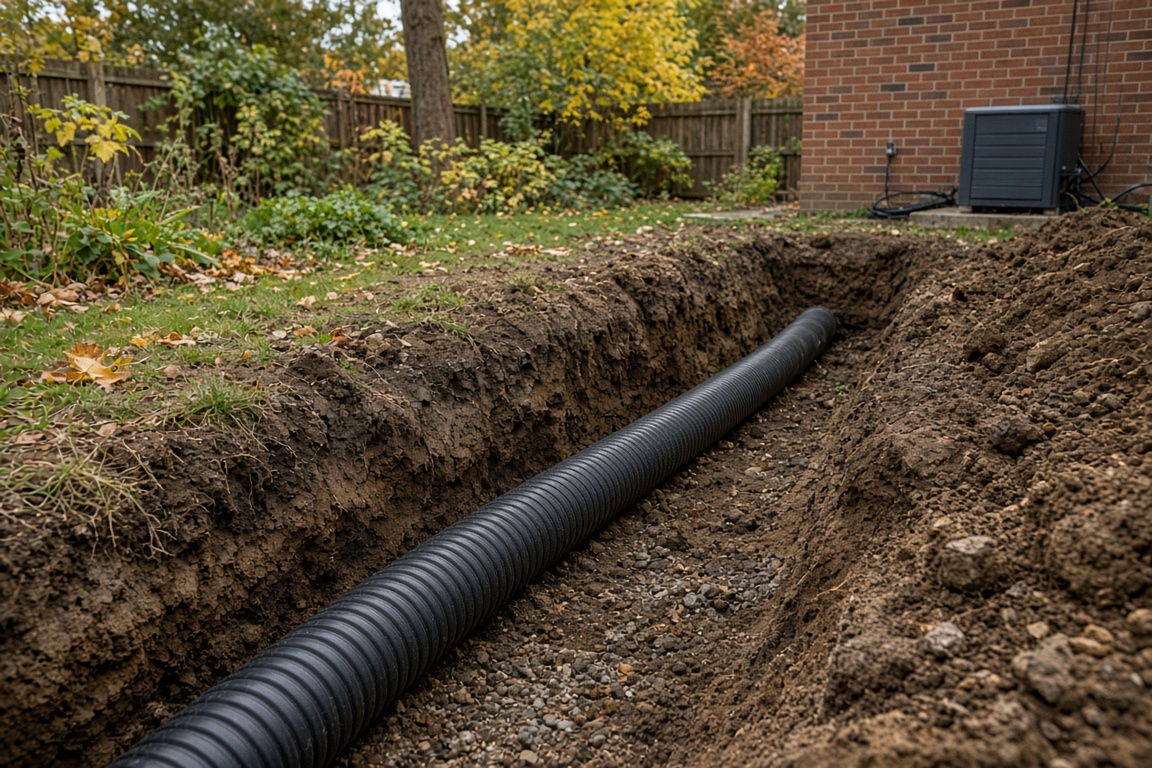
A ground source heat pump (GSHP) works on the same basic principle as the far more common air source heat pump, it extracts heat and concentrates it for use in your home, but instead of pulling heat from the outside air, it pulls it from the ground. Because soil temperature stays far more stable year-round than air temperature, a GSHP runs more efficiently than an air source system, but that efficiency comes at a real cost, both in money and in disruption to your garden. For the full picture on heat pump types and grants, see our complete Heat Pumps UK guide.
Quick answer: A ground source heat pump typically costs £18,000–£35,000 fully installed in the UK, before the £7,500 Boiler Upgrade Scheme grant (£9,000 if you heat with oil or LPG, until 31 March 2027). It's more efficient than air source (SCOP 4-5 vs roughly 3.2), but needs either a large garden for horizontal trenches or a much bigger budget for vertical boreholes. It suits larger rural properties with land far better than the average UK semi.
How a Ground Source Heat Pump Works
A loop of pipe is buried in the ground, either in shallow trenches or a deep borehole, and filled with a water/antifreeze mixture. As this fluid circulates through the buried pipe, it absorbs heat from the surrounding ground, even in winter, since a few metres down the ground stays at a fairly constant temperature regardless of what's happening above. That heat is then concentrated by a heat pump unit inside the house and used to warm your radiators, underfloor heating, or hot water cylinder, exactly like an air source system does with air.
The real advantage of pulling heat from the ground rather than the air is stability. On a freezing January night, outdoor air might be well below zero, forcing an air source heat pump to work considerably harder. The ground a metre or two down rarely drops below around 8-12°C even in deep winter, meaning a ground source system doesn't face the same efficiency penalty on the coldest days.
Ground Source Heat Pump Cost UK 2026
Worth being upfront: quoted figures for ground source heat pumps vary more widely than for almost any other home heating technology, because so much depends on your specific ground conditions and how much digging or drilling is required. UK sources place the full installed cost, before any grant, somewhere between £18,000 and £35,000 for a typical domestic system, though some quotes run lower for straightforward trench jobs, and some run considerably higher for difficult borehole geology.
The £7,500 Boiler Upgrade Scheme grant applies equally to ground source systems as it does to air source, bringing the net cost down to roughly £10,500–£27,500 after grant. See our full BUS grant breakdown for eligibility and how it's applied.
Trenches vs Boreholes: The Decision That Drives Your Cost
Horizontal trenches
Pipe laid in trenches roughly 1-2 metres deep. Cheaper, but needs a large garden, typically 2-3 times your home's floor area in open ground, free of trees and buried services.
Best for: rural properties, big gardens, new-build sites where groundworks are already happening.
Vertical boreholes
One or more holes drilled 60-200 metres deep. Needs only a few square metres of surface space for the drilling rig, but specialist drilling makes this the more expensive option.
Best for: smaller plots, properties without garden space for trenches, sites where digging up the whole garden isn't practical.
A typical 12kW system needs roughly three boreholes if drilled, since each borehole contributes around 4kW of heating capacity, one reason borehole systems can run considerably more expensive than trenches for the same size property. A qualified MCS-certified installer will assess your specific land and geology before recommending either option; it isn't purely a matter of preference.
Ground Source vs Air Source: The Real Comparison
Most credible independent advice, including the Energy Saving Trust's own guidance, points the same direction: if you're not certain ground source suits your property, start by considering air source instead. It's cheaper, faster to install, and works well for the great majority of UK homes. Ground source rewards specific circumstances, a large plot, a self-build or major renovation where groundworks are already planned, or a long-term view on efficiency, rather than being a better default choice for most homeowners. See our full heat pump vs gas boiler comparison for how air source stacks up against your current heating.
Who Ground Source Suits
You have real garden space or are already digging
A new-build, a major renovation, or a large rural plot where the groundworks cost is either already accounted for or comparatively easy to absorb.
You want the highest efficiency and plan to stay long-term
The higher SCOP translates into lower running costs over time, worth it if you're not planning to move and want to maximise long-run savings over the higher upfront cost.
Think carefully if you have a standard UK garden
Most UK homes simply don't have the outdoor space for trenches, and borehole drilling adds real cost most standard properties can't easily justify over air source's much lower price and disruption.
Find out which heat pump type actually suits your home
Get a quote, or compare MCS-certified installers who can survey your property and advise on ground source against air source. No obligation.
Get Free Heat Pump Quotes →Frequently Asked Questions
Related Guides
Published September 2026. Cost figures based on aggregated UK installer and industry pricing data (Energy Saving Trust, Checkatrade, MCS installer records) and may vary significantly by geology, property size and installer. Always get a full site survey and at least three quotes from MCS-certified installers before committing. Cool Power Co is an independent comparison site and is not affiliated with any manufacturer or installer.
Which kind of quote suits you?
"I'd rather deal with one good installer" Get a quote from Blue Ape Renewables, the installer we work with. They fit air source heat pumps, not ground source, which as above suit most UK homes better. MCS-certified and registered for the Boiler Upgrade Scheme grant. Get a quote →Tell us about your project and local installers will quote
Both are free and there's no obligation. We earn a commission if you go ahead with Blue Ape or with one of the installers you are matched with.