
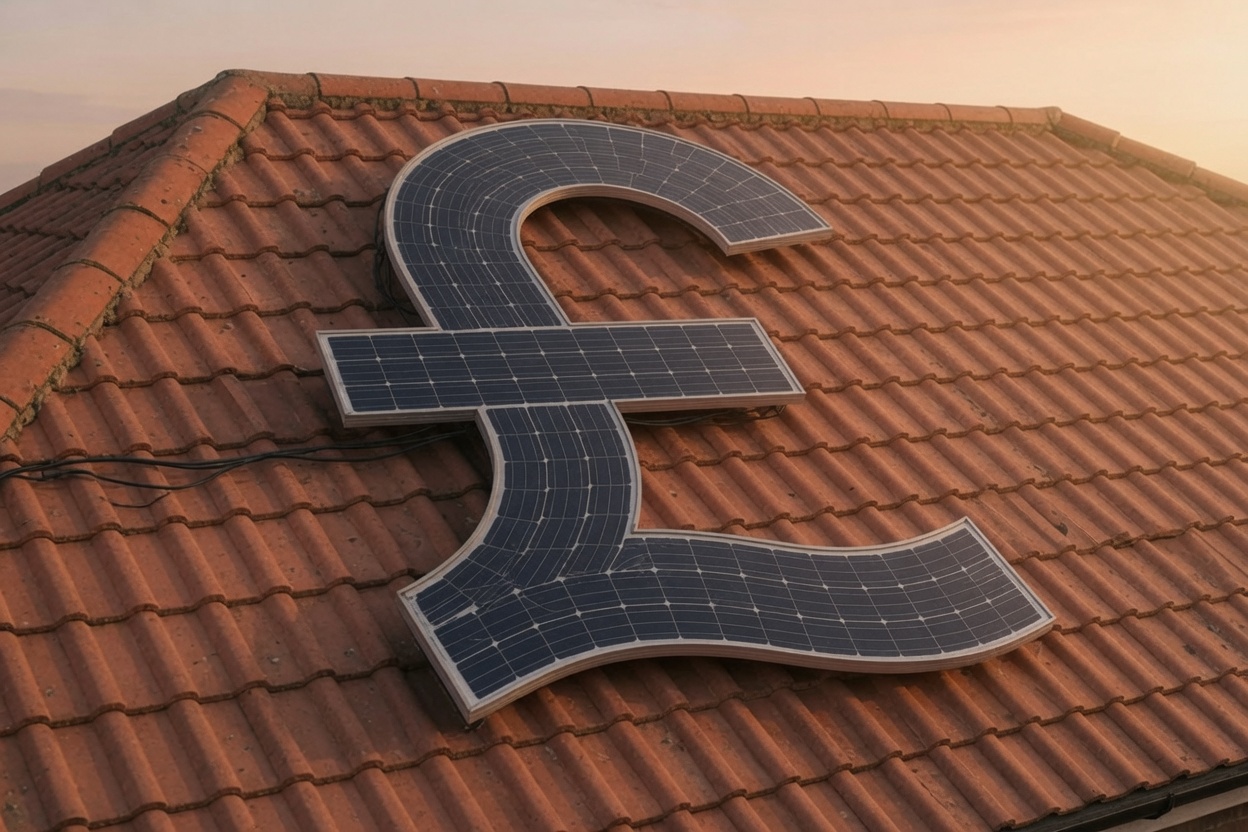
Do Solar Panels Add Value to Your House in the UK?
The research says yes, but the figures vary significantly depending on which study you read. Here's what the evidence actually shows.
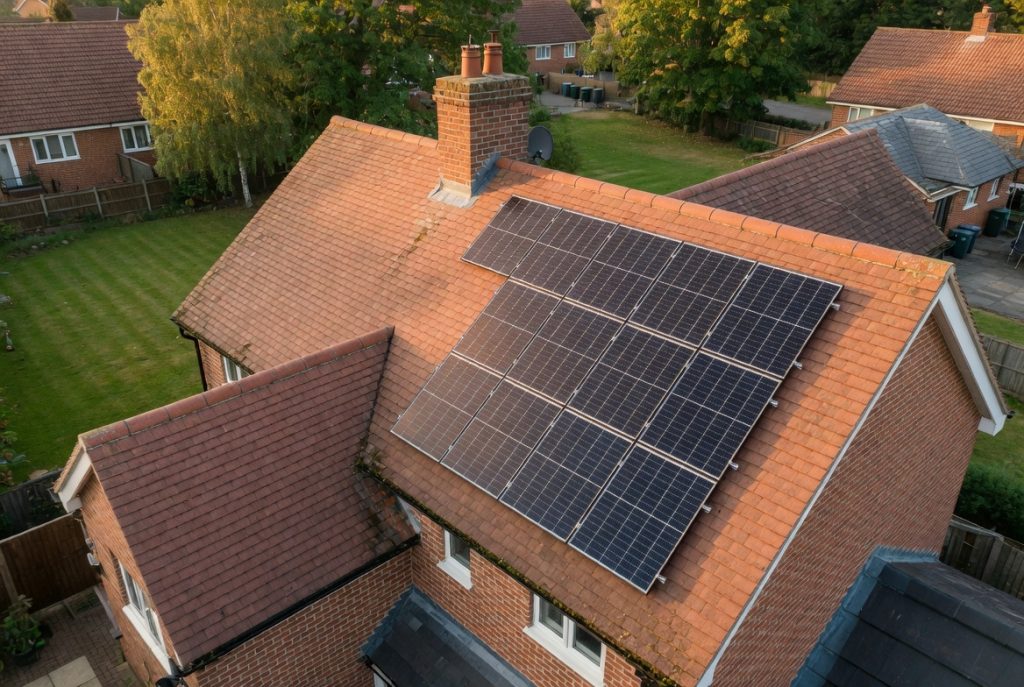
Do Solar Panels Add Value to Your House UK? UK research consistently shows solar panels add value, but the size of that uplift depends heavily on property type and location.
If you're considering solar panels, the question of property value comes up sooner or later. Most guides give you a headline figure and move on. The reality is more nuanced, the research shows a clear positive effect, but the size varies significantly by study, methodology and location.
Here's what the evidence actually shows, with the caveats included.
Quick answer: Yes, solar panels add value to UK homes. Research points to an uplift of £1,800–£2,700 on average, with some studies suggesting 6–7% in the right circumstances. The EPC improvement may matter as much as the panels themselves.
Do Solar Panels Add Value to Your House UK? What the Research Actually Shows
Several major studies have looked at this question using UK Land Registry data and property listings. Here's what each found:
Why the figures vary so much: Different studies use different methodologies, time periods and property samples. The Swansea figure (6–7%) is higher because it used more recent data and more sophisticated causal modelling. The Solar Energy UK figure (0.9–2%) is more conservative and used data from 2012–2018 when solar was less mainstream. Both are credible, the truth is probably somewhere in between and varies significantly by property and location.
The EPC Effect: Often More Valuable Than the Panels
The most consistent and significant property value effect from solar panels comes not from the panels themselves but from what they do to your EPC rating.
Nationwide Building Society data shows that an EPC C home sells for around £14,000 more than an equivalent EPC D property. Solar panels are one of the most reliable ways to push a home from D to C, and increasingly, buyers and mortgage lenders are paying attention to EPC ratings when deciding what to offer.
Why EPC ratings increasingly matter to buyers:
- →Mortgage green incentives: many lenders now offer lower mortgage rates for EPC A/B properties. Barclays, Nationwide and Halifax all run green mortgage products.
- →Future regulation: the government plans to require rented homes to reach EPC C by 2030, which makes EPC C homes more valuable to landlord buyers.
- →Running cost visibility: buyers are more energy-bill aware than ever. A solar-equipped home with a C or B EPC is visibly cheaper to run.
- →Younger buyers: first-time buyers and those under 45 increasingly prioritise environmental performance in their search criteria.
When Solar Panels Add the Most Value
The property value uplift from solar panels is not uniform, it varies significantly depending on several factors:
Higher uplift when...
- Panels are owned not leased
- Battery storage is included
- Property is in South East or London
- EPC improves to C or above
- System is under 10 years old
Lower uplift when...
- Panels are leased, buyer inherits contract
- System is old or poorly maintained
- Property is in lower-demand area
- EPC doesn't improve significantly
- Buyer pool is older / less eco-conscious
Owned vs Leased: This Matters a Lot
If you installed solar panels under a lease or rent-a-roof scheme (common in the early 2010s under the old Feed-in Tariff), the property value picture is quite different. Leased panels can complicate conveyancing, the buyer needs to take over the lease, and some solicitors and mortgage lenders treat them cautiously.
Owned solar panels, which is the default for any system installed in the last 5–6 years, add value cleanly. The buyer gets a fully owned asset that immediately reduces their electricity bills with no ongoing lease obligations. Panel condition and brand also factor into how a buyer's surveyor views the system, see our best solar panels guide for what separates a well-regarded Tier 1 brand from one a buyer's solicitor might flag.
Important: If you're buying a home with solar panels already installed, always ask whether the system is owned outright or leased before proceeding. Your solicitor should check this as part of the conveyancing process.
The Full Financial Picture
Property value uplift is only one part of the solar panel financial case. For most homeowners, the bigger return comes from energy bill savings over time:
A typical 4kW solar system costs £6,000–£8,000 installed in 2026. At the conservative end, the combination of energy savings and property uplift means most systems pay back within 7–10 years, and then generate returns for another 15+ years.
The Bottom Line
Solar panels do add value to UK homes, the evidence is consistent even if the exact figures vary. The conservative estimate is £1,800–£2,700 in direct uplift. The EPC improvement can add significantly more. And the energy bill savings compound year on year regardless of when you sell.
If you're planning to sell within 2 years, the direct property value uplift alone may not recover the full installation cost. If you're planning to stay longer, or if you're a landlord who will need to reach EPC C by 2030, the financial case is much stronger.
Use our free solar savings calculator to see the personalised numbers for your home, including payback period and 25-year bill savings.
Related Guides
Published June 2026. Property value figures are based on published academic research and industry studies and are illustrative only. Actual property value impact depends on your specific property, location, buyer market and system condition. We recommend discussing with a local estate agent before making decisions based on property value projections. Sources: Swansea University (2024), Solar Energy UK / Cambridge University, Nationwide Building Society, Halifax. Cool Power Co is an independent comparison service.
Which kind of quote suits you?
"I'd rather deal with one good installer" Get a quote from Blue Ape Renewables, the installer we work with. MCS-certified and NAPIT-accredited, fitting solar panels and batteries across England, Wales and Scotland. Get a quote →Tell us about your project and local installers will quote
Both are free and there's no obligation. We earn a commission if you go ahead with Blue Ape or with one of the installers you are matched with.