
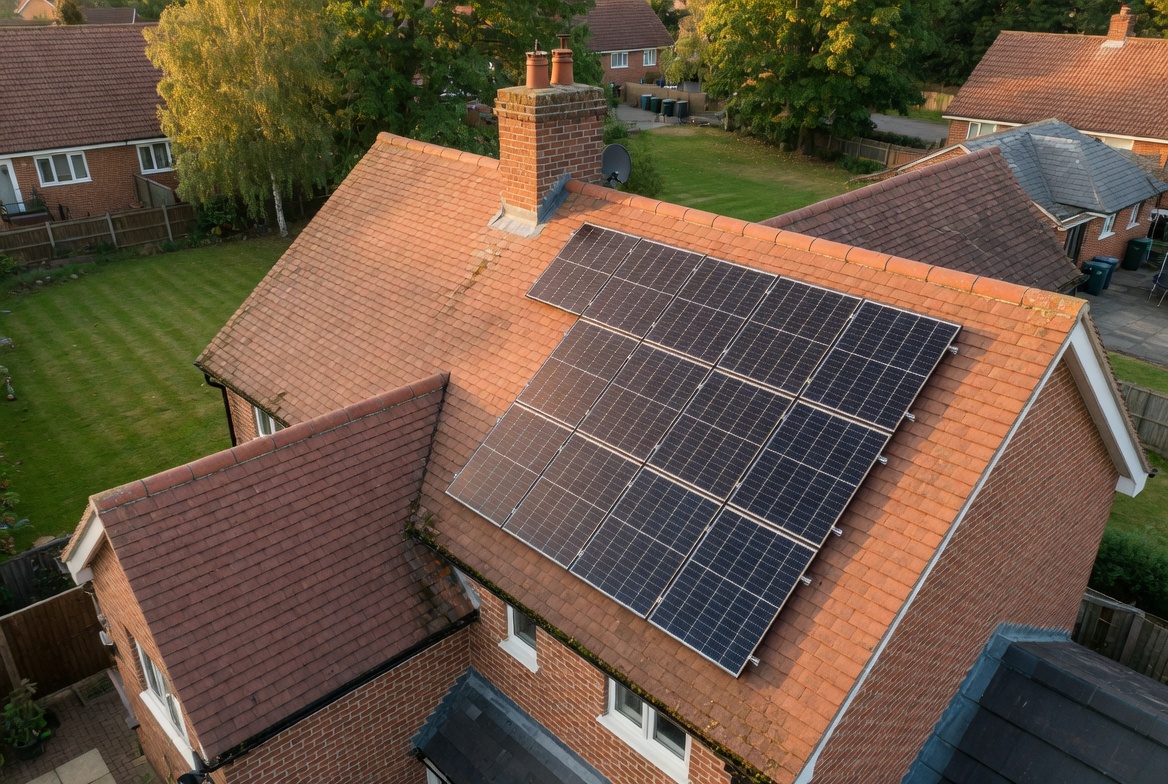
Solar Panels
Solar Panel Cost UK 2026: Real Prices, Payback Periods and Grants Explained
What a solar panel system costs to fit in 2026 by size, with and without a battery, what you're paying for, and how long it takes to pay for itself.
Updated 21 October 2026
Affiliate disclosure: some links on this page are affiliate links. If you buy through them we earn a small commission at no extra cost to you. It doesn't affect what we recommend.
The short answer
On this page:
New to solar? Our Solar Panels UK guide covers the basics and whether solar suits your home. This page is about the money: what you'll pay, what drives the price, and how quickly it comes back.
How Much Do Solar Panels Cost in the UK?
Price depends mostly on the size of the system. These are typical fitted prices for 2026, including the inverter, scaffolding and installation, with 0% VAT applied.
| System size | Panels (approx.) | Typical cost, fitted | Est. yearly saving* |
|---|---|---|---|
| 3kW | 7 to 8 | £5,000–£6,500 | About £510 |
| 4kW | 9 to 10 | £6,500–£8,000 | About £690 |
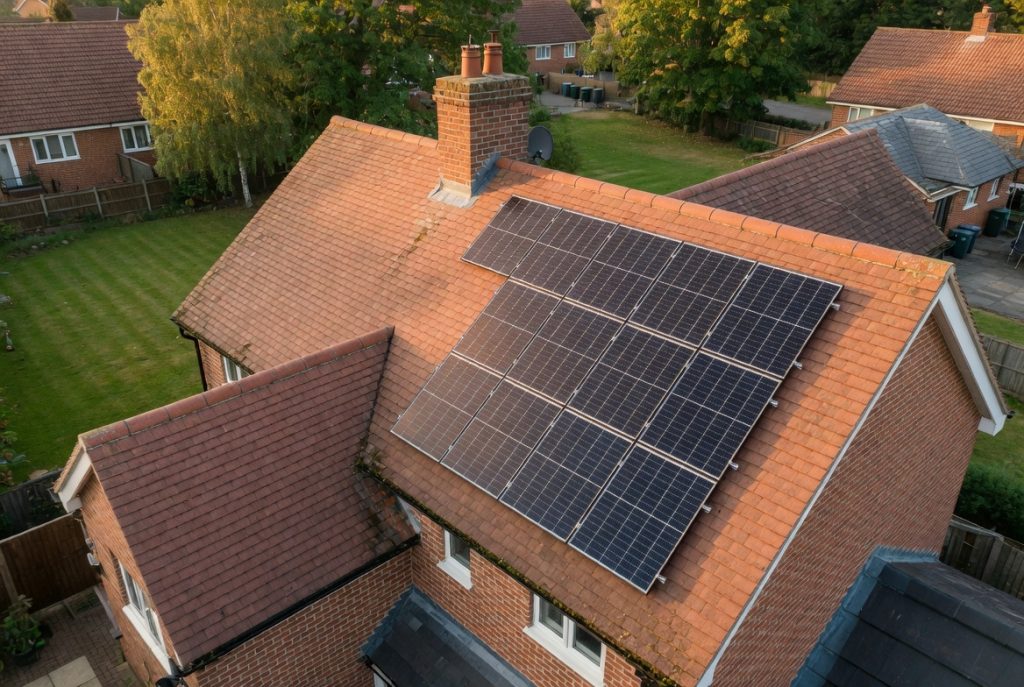
| 4.5kW (UK average) | About 12 | About £7,600 | About £770 |
| 5kW | 11 to 12 | £8,000–£10,000 | About £860 |
Prices for 3 to 5kW from Heatable's October 2026 price guide (median quotes: £5,700 for 3kW, £6,800 for 4kW, £7,750 for 5kW). The 4.5kW average is from the Energy Saving Trust. Panel counts assume 400W to 450W panels. *Our calculator's assumptions: a south-facing roof in the Midlands, 40% of output used at home at 26.32p/kWh and the rest exported at 12p/kWh.
Not sure what size you need? Our solar savings calculator suggests a size from your roof and bill, then works out savings and payback.
How Much Do Solar Panels and a Battery Cost?
Adding a battery is the biggest single change to a quote. Heatable puts a 4kW system with a battery at £10,000–£14,000. The Energy Saving Trust puts a battery on its own at £5,000–£8,000, though smaller 5kWh batteries start from about £3,950 fitted. Batteries also have 0% VAT until 31 March 2027.
A battery stores daytime solar for the evening and can charge cheaply overnight, so it adds most value for people on a time-of-use tariff, who work from home or have an EV. Our home battery guide covers costs and savings in detail, and the battery storage calculator sizes one for your usage. You can also add a battery later.
What Are You Paying For?
A solar quote covers much more than the panels. Here's what goes into it:
Two quotes for the same panels can differ by a lot because of installer overheads, how busy they are and how they price scaffolding. That's why comparing more than one quote matters.
What Makes Your Price Go Up or Down?
Want a price for your roof?
Get a fitted price from Blue Ape Renewables, the MCS-certified installer we work with, or compare prices from local installers.
No obligation. We earn a commission if you go ahead.
How Much Will You Save?
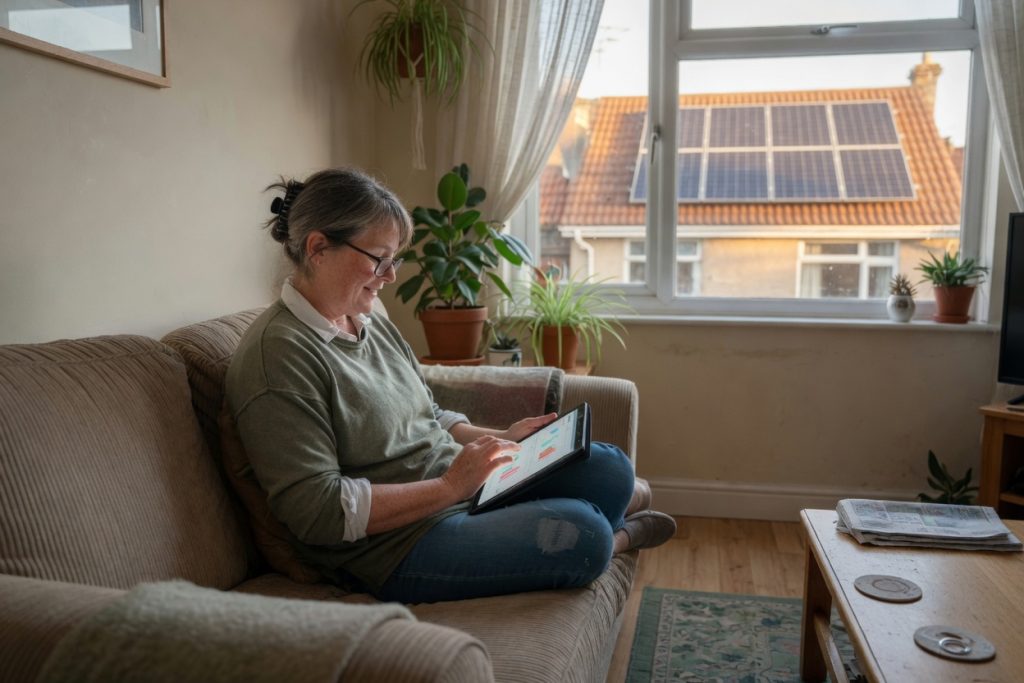
You save in two ways: electricity you use yourself instead of buying, and electricity you export through the Smart Export Guarantee. Here's how a 4kW south-facing system in the Midlands works out:
| Part of the saving | How it's worked out | Per year |
|---|---|---|
| Output | PVGIS estimate for 4kW, south-facing, Birmingham | About 3,870kWh |
| Used at home | 40% of output at 26.32p/kWh | About £410 |
| Exported | 60% of output at 12p/kWh | About £280 |
| Total | About £690 |
If the January 2027 price cap rises to the forecast 30.28p/kWh, the home-use part goes up to about £470. Using more of your own power (working from home, running appliances in the day, an EV or a battery) increases savings, because each unit you use saves more than twice what exporting it earns. Export rates vary hugely by supplier, so check our solar export tariff comparison.
How Long Is the Payback Period?
The Energy Saving Trust's figures, using July 2026 fuel prices and including export payments, put payback at 9 to 12 years:
| Location | Home all day | Home half the day | Out all day |
|---|---|---|---|
| London | 9 years | 9 years | 9 years |
| Manchester | 10 years | 10 years | 11 years |
| Aberystwyth | 9 years | 9 years | 10 years |
| Stirling | 11 years | 11 years | 12 years |
Panels last 25 years or more, so most systems have well over a decade of savings after payback. Allow for one inverter replacement along the way.
Solar Panel Grants and VAT in 2026
How to Get a Fair Solar Quote
Which kind of quote suits you?
"I'd rather deal with one good installer" Get a fitted price from Blue Ape Renewables, the installer we work with. MCS-certified and NAPIT-accredited, fitting solar panels and batteries across England, Wales and Scotland. Get a fitted price →Tell us about your project and local installers will quote
Both are free and there's no obligation. We earn a commission if you go ahead with Blue Ape or with one of the installers you are matched with.
Solar Panel Cost UK: FAQs
Related Guides
Updated 21 October 2026. Average cost, payback and inverter life from the Energy Saving Trust (updated 1 October 2026). Prices by size and solar-plus-battery costs from Heatable (updated 13 October 2026). Solar output from the EU's PVGIS tool. Savings are estimates; yours will depend on your roof, usage, tariff and export rate.