
Boiler Upgrade Scheme £9,000 — What It Means for Oil and LPG Homes
The government increased the heat pump grant by 20% for oil and LPG homes from 21 July 2026. Here's who qualifies, how to claim, and why applications have surged since.
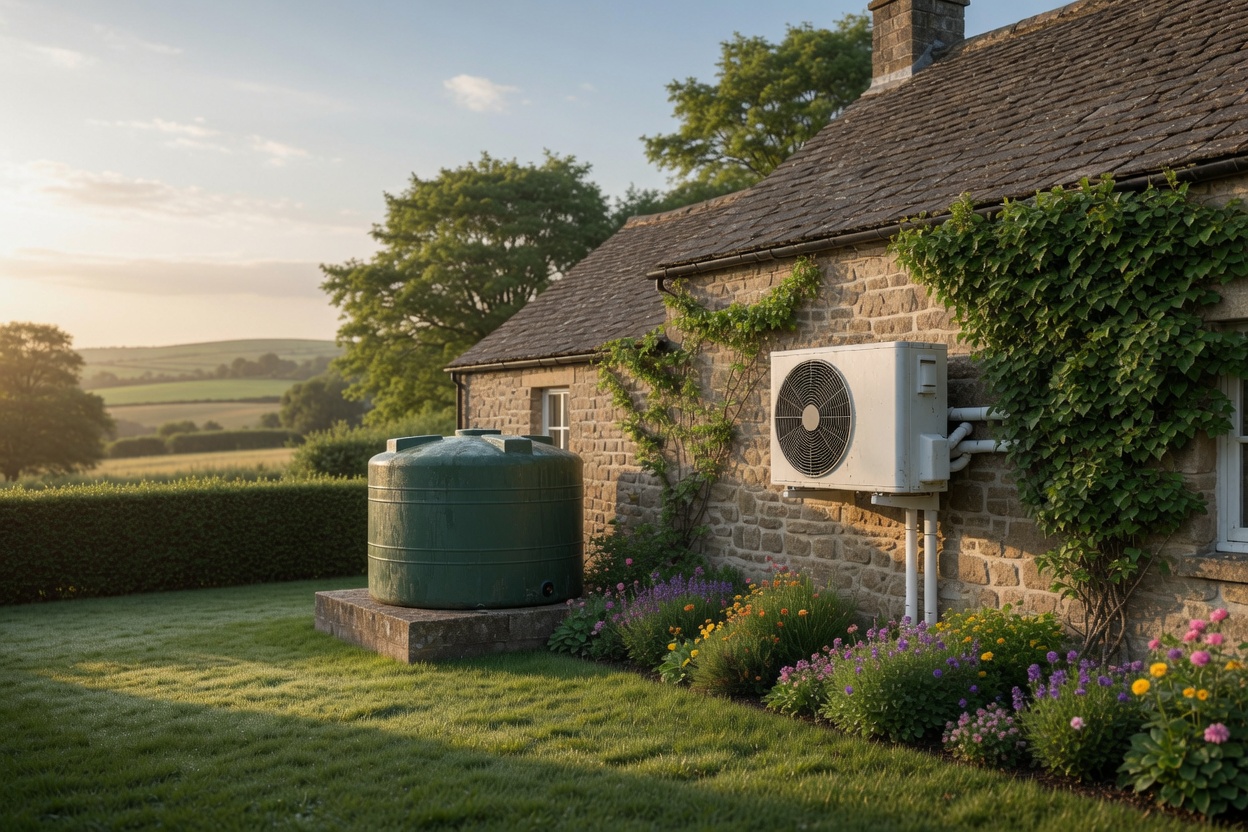
Since 21 July 2026, rural households on heating oil or LPG can claim £9,000 toward a heat pump installation — a £1,500 increase on the previous grant level.
⚡ Key facts — BUS grant for oil/LPG homes
- →Grant rose from £7,500 to £9,000 for oil and LPG homes on 21 July 2026
- →Gas boiler homes remain at £7,500 — only oil and LPG get the uplift
- →Heat pump grant applications rose 81% in July alone following the increase
- →Scheme runs until 2029/30 with £2.7 billion total budget
- →EPC insulation condition removed — no longer need to clear insulation recommendations first
The Boiler Upgrade Scheme £9,000 grant — introduced 21 July 2026 — is the UK government's biggest boost to heat pump adoption in years, and it specifically targets the 1.7 million homes still on heating oil or LPG. The available grant rose from £7,500 to £9,000, a 20% increase that meaningfully changed the financial case for switching — and it's working: applications from oil and LPG households rose 81% in the month after the increase, driven partly by rising oil prices following the 2026 Middle East conflict.
If you're on heating oil or LPG and considering a heat pump, here's exactly what the grant covers and what to do next. For the wider picture on heat pump types, costs and whether it's worth it for your home, see our complete Heat Pumps UK guide.
What Is the Boiler Upgrade Scheme?
The Boiler Upgrade Scheme (BUS) is a government grant programme that reduces the upfront cost of installing a heat pump. The grant is applied directly by your MCS-certified installer — you never see the money, it's simply deducted from your installation quote. You pay the remainder.
Since launching in 2022, the BUS has issued over 80,000 grant vouchers totalling more than £563 million. It's available to eligible households in England and Wales replacing their fossil fuel heating system with an air source or ground source heat pump.
Boiler Upgrade Scheme £9,000 — What Changed on 21 July 2026?
The uplift specifically targets the roughly 1.7 million UK homes that are off the gas grid and currently use heating oil or LPG. These households are disproportionately rural, and have historically been among the most exposed to volatile fuel prices — oil prices can swing dramatically with global markets in a way that gas, capped by Ofgem, does not.
⚠️ Important: If you're on gas central heating, the grant remains £7,500 — unchanged. The £9,000 figure only applies to oil and LPG homes. If you're not sure which category you fall into, your heating system type will be clearly stated on your most recent fuel bill or your Energy Performance Certificate.

Around 200,000 households in England and Wales received grant notification letters when the scheme launched — if you missed yours, you can still check eligibility directly with an installer.
Who Qualifies for the £9,000 Grant?
To qualify for the increased £9,000 BUS grant you need to meet all of these criteria:
- ✅Property in England or Wales — the BUS does not cover Scotland, which has its own Home Energy Scotland scheme with comparable support
- ✅Currently on oil or LPG heating — you're replacing an existing fossil fuel system, not installing heating in a new build
- ✅Installing an MCS-certified heat pump — both the product and the installer must hold MCS certification
- ✅Property is your primary residence — or a residential property you own (landlords can apply for rental properties)
- ✅Heating capacity under 45kWth — covers virtually all domestic properties
Good news — the EPC insulation requirement has been removed. Previously you had to clear all outstanding insulation recommendations on your Energy Performance Certificate before accessing the BUS grant. That rule was removed in April 2026, opening the scheme to significantly more households.
How to Apply — Step by Step
You don't apply for the BUS grant directly — the process is entirely installer-led. Here's how it works in practice:
-
1
Find an MCS-certified heat pump installer
Get free quotes from MCS-certified local installers through our free quote tool — we only connect you with certified engineers. Always get at least three quotes. The installer must be MCS-certified — not just the product. -
2
Get a home survey and quote
A proper heat pump installation starts with a heat loss calculation — not just a quick quote over the phone. An installer who doesn't survey the property first is a red flag. -
3
Your installer applies for the grant voucher
The installer submits your application to Ofgem's BUS portal. They receive a grant voucher on your behalf. This is deducted directly from your installation cost — you never handle the grant money. -
4
Installation and completion
Once installed, the installer claims the grant from Ofgem. You pay the net amount after the £9,000 deduction. MCS certification is issued for your installation.
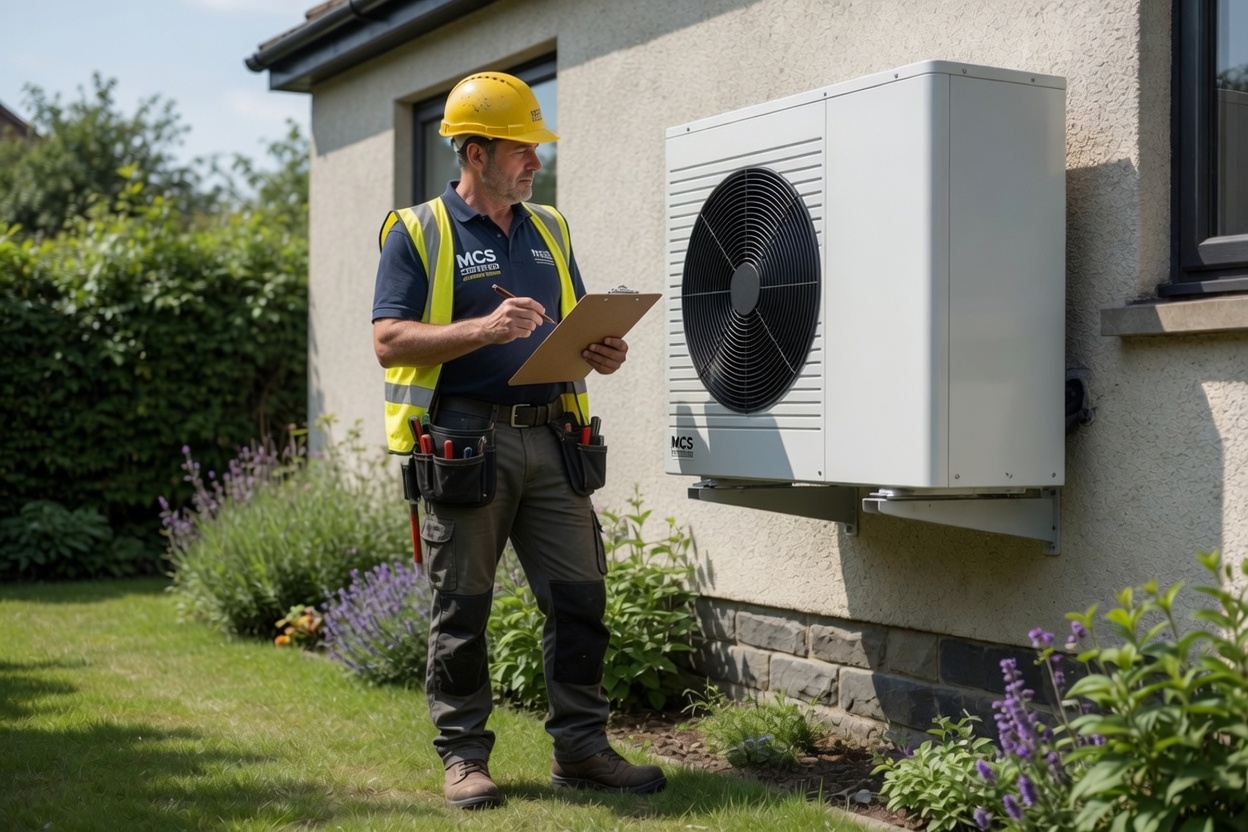
Your installer handles the entire BUS application — you simply pay the net cost after the £9,000 grant is deducted from your quote.
Does the £9,000 Make Financial Sense?
Could you get the £9,000 grant?
Tell us about your home and we'll connect you with MCS-certified local installers who can confirm your eligibility and apply the grant on your behalf.
Check My Eligibility →✅ Free · ✅ No obligation · ✅ MCS certified installers only
A typical air source heat pump installation in a UK home costs £8,000–£15,000 depending on property size, installer and existing system. With the £9,000 BUS grant applied, many oil and LPG homes could be looking at a net installation cost of zero to £6,000 — genuinely transformative.
The running cost comparison has also shifted meaningfully following the October 2026 Ofgem price cap. Gas rose around 8.7% to 7.97p/kWh this quarter, while electricity barely moved — up less than 1% to 26.32p/kWh — thanks to a new VAT cut on domestic electricity. Heating oil and LPG remain uncapped and have been volatile, pushed further by the 2026 Middle East conflict. A heat pump on a smart electricity tariff like Octopus Cosy or Agile can now deliver heat at a genuinely competitive cost versus both oil and LPG — especially when combined with solar panels generating free daytime electricity. See our full breakdown of the October price cap and VAT cut for the detail.
Want to see how these numbers apply to your own home? Use our free heat pump running cost calculator to compare your actual current heating costs against a heat pump.
Scotland — Different Scheme, Same Support
The BUS covers England and Wales only. Scottish homeowners have access to equivalent support through the Home Energy Scotland Grant and Loan Scheme, which offers grants of up to £7,500 plus interest-free loans of up to £7,500 toward heat pump installation. Contact Home Energy Scotland on 0808 808 2282 for Scottish applications.

Pairing a heat pump with solar panels maximises the savings — free daytime electricity powers your heating at effectively zero marginal cost.
Frequently Asked Questions
Related Guides
Source: UK Government — Thousands of homes eligible for £9,000 off a heat pump. Find a certified installer via our free heat pump quote tool.
Published July 2026, updated September 2026. Grant figures and eligibility criteria based on official UK Government announcements. Running cost estimates are illustrative and reflect the October 2026 Ofgem price cap. Always verify current scheme details at gov.uk/boiler-upgrade-scheme before applying. Cool Power Co is an independent comparison site and is not affiliated with Ofgem, DESNZ or any installer.
Get Free Heat Pump Quotes
Find MCS-certified local installers who can apply for your £9,000 BUS grant. Free quotes, no obligation.
Get Free Heat Pump Quotes →✅ Free · ✅ No obligation · ✅ MCS certified installers only