
Heat Pumps
Are Heat Pumps Worth It in the UK?
The real answer, including real running costs, the £7,500 BUS grant, and who should switch now.
Heat pumps are everywhere in the news right now, but are they actually worth it for UK homeowners in 2026? The real answer is: it depends on what you're replacing. Here's everything you need to know before making a decision. For the full picture on costs, grants and how heat pumps actually work, see our complete Heat Pumps UK guide.
Quick summary: Heat pumps are a clear win if you're on oil, LPG or electric heating. For gas homes the financial case is less clear right now, but the £7,500 BUS grant, heat pump tariffs and a boiler that's due for replacement anyway can tip it.
Air Source or Ground Source?
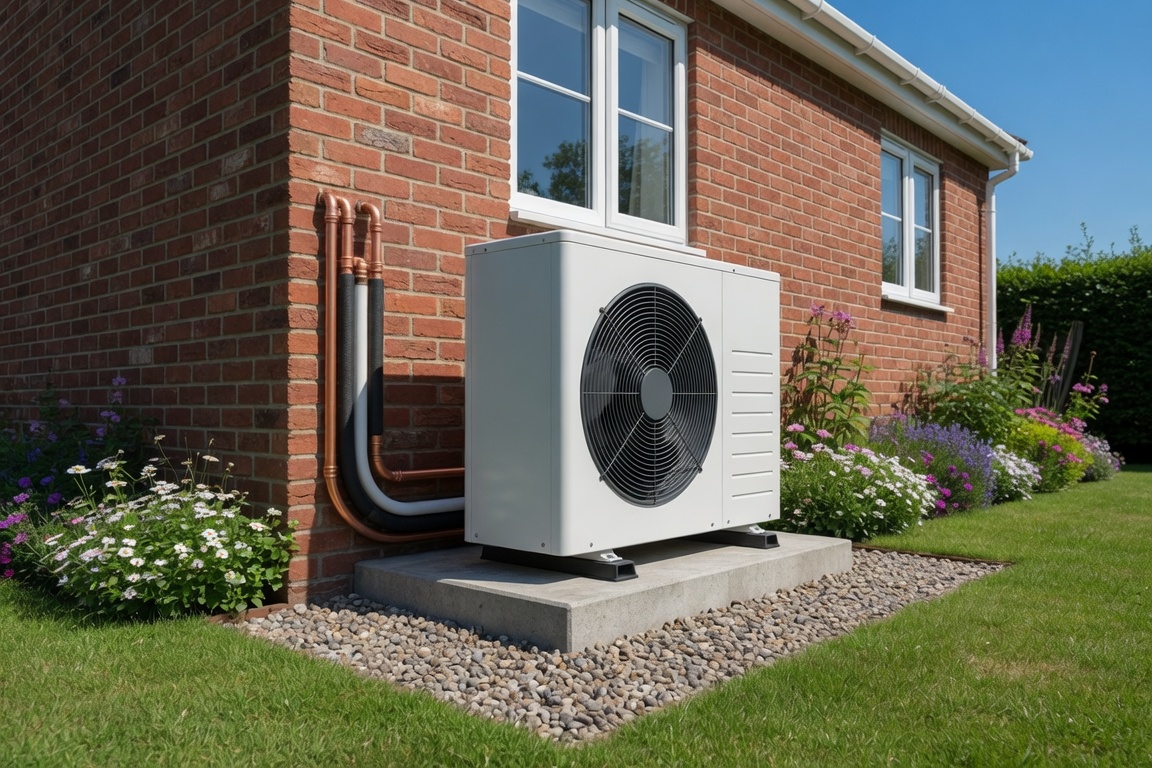
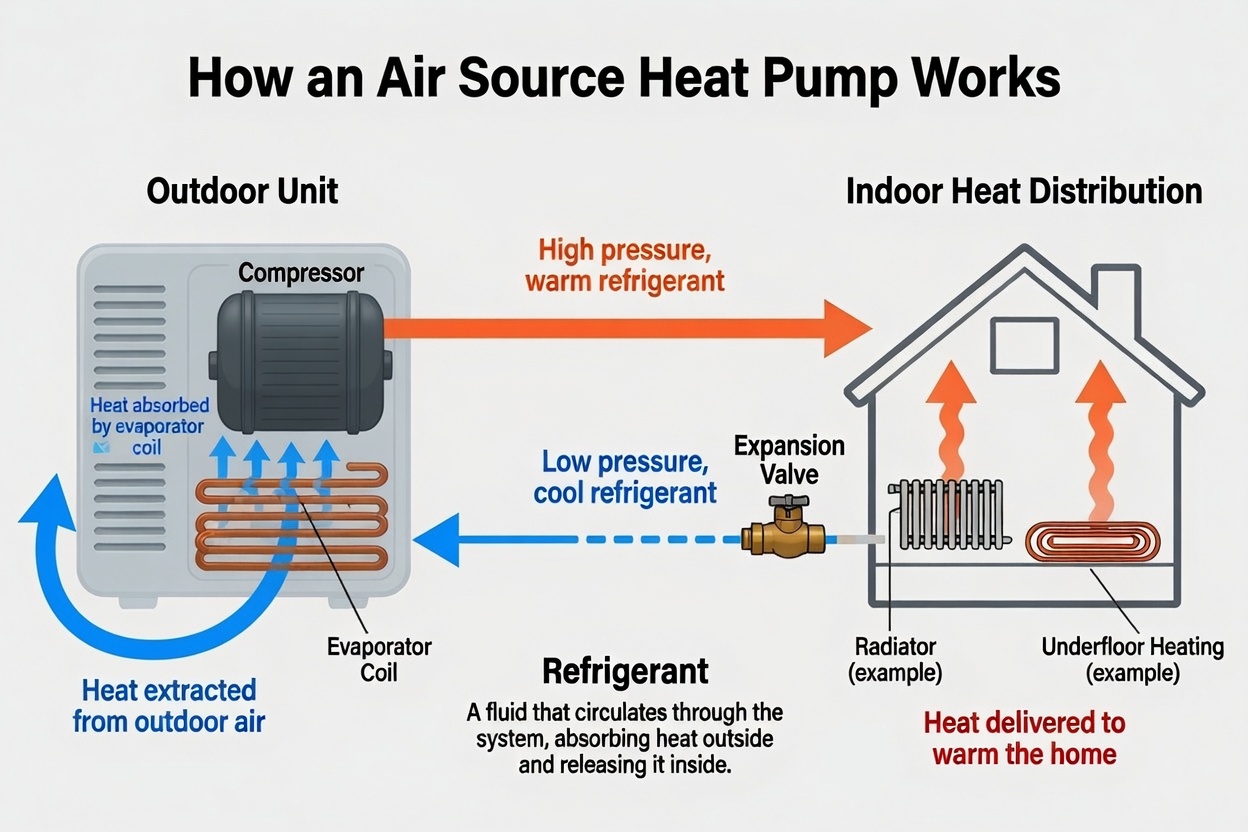
A heat pump moves heat from outside into your home instead of burning fuel, delivering around 3 units of heat for every unit of electricity it uses (its COP). We explain how a heat pump works step by step in our main guide. For deciding whether one is worth it, what matters most is which type you'd fit:
Air Source (ASHP)
Extracts heat from outdoor air. Most popular, easiest to install. Typical real-world COP of 3.2 in UK conditions.
Ground Source (GSHP)
Extracts heat from the ground via buried pipes. More efficient (COP ~4.0) but higher install cost and requires garden space. See our ground source guide.
The Real Answer: It Depends What You're Replacing
This is where most heat pump articles let you down: they give a one-size-fits-all answer. The reality is more nuanced.
Replacing a gas boiler
Gas costs around 8p/kWh under the current October 2026 Ofgem price cap. Even with a COP of 3.2, a heat pump using electricity at 26.32p/kWh costs roughly the same to run as a gas boiler in most homes. You won't save much on bills in the short term. See our full heat pump vs gas boiler comparison for the detailed numbers.
But that's not the whole story. The real reasons to switch from gas in 2026 are:
- →Where policy is heading: there's no ban on replacing a gas boiler in an existing home. But new homes are being built without gas boilers under the Future Homes Standard, and the government's Warm Homes Plan puts £2.7 billion into heat pump grants to 2029/30. Switching when your boiler is due means choosing on your terms.
- →The £7,500 BUS grant: the Boiler Upgrade Scheme gives you £7,500 off the cost of an air source heat pump, making install costs comparable to a new gas boiler. Oil and LPG homes with no mains gas get £9,000 until March 2027, and applications have surged 81% since.
- →Add solar and the maths change completely: a 4kWp solar system combined with a heat pump can cut running costs significantly as you're heating your home with free daytime electricity.
- →Carbon footprint: a heat pump produces roughly 65–80% less CO2 than a gas boiler on today's UK grid, and the gap widens as the grid gets cleaner.
Replacing an oil or LPG boiler
This is where heat pumps make the most financial sense right now. Oil costs around 8p/kWh and LPG around 12p/kWh, so a heat pump saves around £150–£600 a year on a standard tariff for a typical 12,000 kWh of heat (the low end for oil, the high end for LPG). On a heat pump tariff it rises to around £400–£900, and it's higher again while oil prices stay up after this year's rises.
Add the £9,000 grant for oil and LPG homes with no mains gas (see what the £9,000 grant means) and the financial case is compelling.
Replacing electric storage heaters
The clearest win of all. Storage heaters have a COP of 1.0: one unit of electricity in, one unit of heat out. A heat pump with a COP of 3.2 gives you more than three times the heat for the same electricity spend. Annual savings of £500–£1,500 are realistic for homes currently on electric heating.
What Does a Heat Pump Cost in 2026?
| Type | Before Grant | BUS Grant | Net Cost |
|---|---|---|---|
| Air source (ASHP) | £8,000–£15,000 | £7,500 | £500–£7,500 |
| Ground source (GSHP) | £18,000–£35,000 | £7,500 | £10,500–£27,500 |
The grant is applied by your installer and deducted from your quote: you never see the money, it just reduces what you pay. The BUS scheme is funded to 2029/30 with a £2.7 billion total budget. For costs by house size, see our heat pump costs guide.

Does My Home Need to Be Well Insulated First?
Yes, ideally. Heat pumps work best in well-insulated homes because they deliver heat at lower temperatures over longer periods, rather than the short intense bursts of a gas boiler.
That said, many installers now successfully fit heat pumps in homes with average insulation by slightly oversizing the system. A good MCS-certified installer will carry out a full heat loss calculation before recommending a system size.
If your home needs insulation work, doing that first, or at the same time, will improve your heat pump's efficiency and reduce running costs. Read our guide to home insulation →
Are Heat Pumps Noisy?
Modern air source heat pumps are quiet. Most run at around 40–50 decibels at one metre, roughly the volume of a quiet conversation or a refrigerator hum. In England most homes don't need planning permission: the old rule that the unit had to sit at least one metre from your boundary was scrapped in May 2025, though the unit still has to meet the 42dB noise limit at your neighbour's nearest window. Our noise and planning rules guide has the detail.
So Are Heat Pumps Worth It? The Verdict
Worth it now if you're on...
- →Oil or LPG heating: clear financial win
- →Electric storage heaters: save 3x on heating
- →Gas + solar panels: combination is compelling
- →Gas with a boiler that's due for replacement
Think carefully if you're on...
- →Gas with a recently serviced boiler and no solar plans
- →Poor insulation with no plans to improve it
The honest truth is that heat pumps are not quite at the tipping point for gas homes on bills alone in 2026, but with grant funding committed to 2029/30 and heat pump tariffs closing the gap, the best time to switch is when your boiler is due, not after it breaks. For the full breakdown of types, costs and grants, our Heat Pumps UK guide covers everything in one place.
See the numbers for your own home
Our free calculator gives you a fair comparison of heat pump vs your current heating, including the BUS grant and a solar combination scenario.
Use the Free Heat Pump Calculator →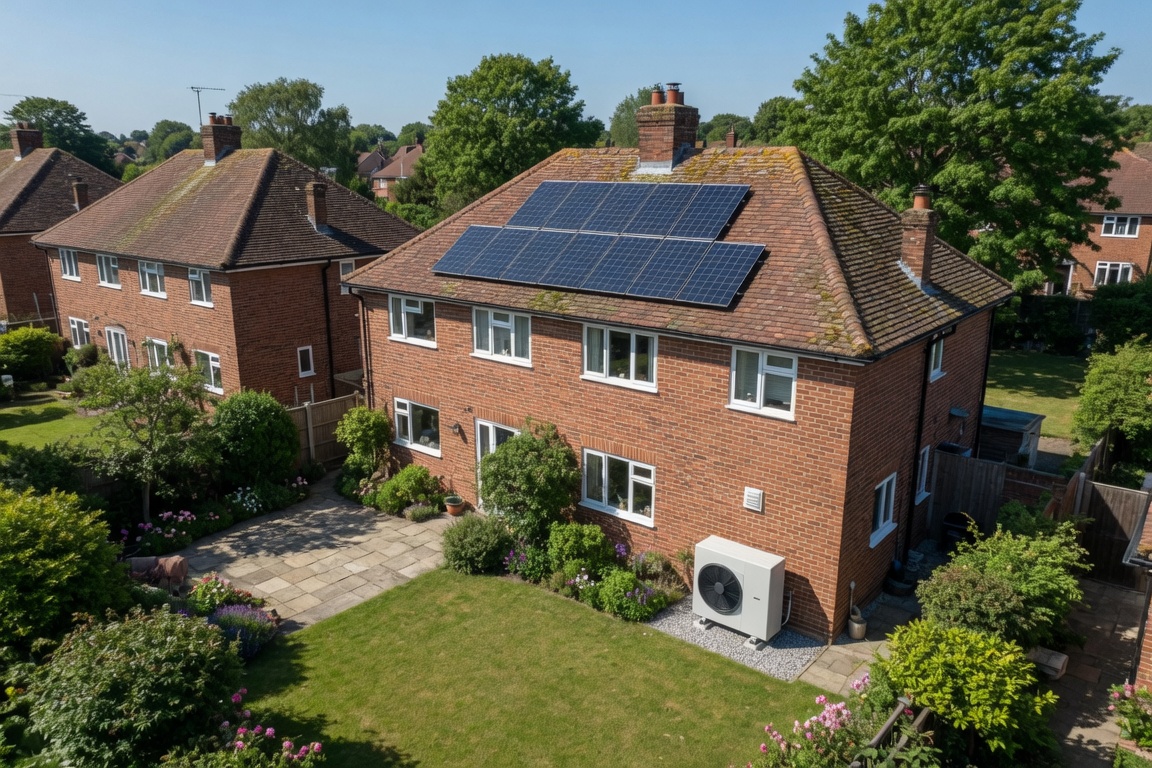
Heat Pump Worth It: FAQs
Related Guides
Which kind of quote suits you?
"I'd rather deal with one good installer" Get a quote from Blue Ape Renewables, the installer we work with. MCS-certified for heat pumps and registered for the Boiler Upgrade Scheme grant, fitting air source heat pumps across England, Wales and Scotland. Get a quote →Tell us about your project and local installers will quote
Both are free and there's no obligation. We earn a commission if you go ahead with Blue Ape or with one of the installers you are matched with.
Last updated: September 2026. BUS grant figures correct as of publication. Grant amounts subject to change. Always verify current figures at gov.uk before making a decision. Running cost estimates based on Nesta heat pump field trial COP data, October 2026 Ofgem price cap rates.